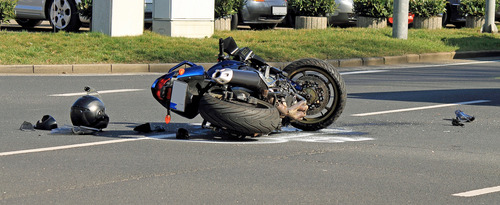
What to Do After a Car Accident in Georgia: What You Need to Know Before It Happens
A car accident can happen in seconds, but the decisions you make right after can affect your health, your finances, and your legal rights for months to come. Georgia recorded over 400,000 traffic collisions in 2024, meaning thousands of drivers face this situation every year without knowing what to do next. The steps you take at the accident scene, with your insurance company, and in the days that follow all play a role in the outcome of your claim.
At Atlanta Metro Law, our experienced Atlanta car accident attorneys have helped countless Georgia drivers protect themselves after a crash. Whether you are dealing with a minor fender bender or a serious collision, this guide walks you through exactly what to do, step by step.

Why Immediate Action Matters After a Car Accident in Georgia
What you do in the moments after a car accident in Georgia can shape your health, your claim, and your financial recovery.
Georgia Is an At-Fault State
The driver who caused the crash is responsible for paying damages. Their insurance company covers vehicle damage, medical expenses, and related costs. If fault is disputed, your actions at the accident scene become key evidence.
Your Actions Protect Your Insurance Claim
Insurers review everything, from the police report to photos taken at the scene. Acting quickly gives you a stronger claim. Delayed action can give insurance companies a reason to reduce or deny your payout.
Delayed Symptoms Are Common After a Crash
Not all injuries show up right away. Internal injuries and conditions like whiplash can take hours or days to surface. Seeking medical attention immediately creates a record that links your injuries to the accident.
Georgia Law Requires You to Report Certain Accidents
If the crash causes injuries or property damage over $500, you must report it. Failing to report the accident can result in fines. A police report also serves as an official record that supports your insurance claim.
Step-by-Step Guide: What to Do at the Accident Scene
The right moves at the accident scene protect your safety, your rights, and your ability to file a successful insurance claim.
Step 1: Prioritize Safety First
Turn on your hazard lights right away to alert other drivers. If your car is drivable and no one is seriously hurt, move it to the shoulder or emergency lane. Check yourself, your passengers, and the other driver for visible injuries before anything else.
Step 2: Call the Police
Call 911 if anyone is injured or if property damage looks like it exceeds $500. Georgia law requires you to report these accidents. Ask for the responding officers’ names and badge numbers when they arrive.
Step 3: Get Medical Attention for Anyone Injured
Do not assume everyone is fine because injuries are not always visible. Internal injuries can go unnoticed at the scene. If anyone shows signs of pain or discomfort, wait for emergency medical help to arrive.
Step 4: Document the Accident Scene
Take photos and videos of all vehicles involved, vehicle damage, road conditions, skid marks, and traffic signs. Capture license plates and the other driver’s license and insurance card. Note the time, weather, and road conditions to help establish fault later.
Step 5: Exchange Information with the Other Driver
Collect the other driver’s name, phone number, address, driver’s license number, car insurance company name, and policy number. Stay calm and courteous during the exchange. Do not admit fault or discuss who caused the crash.
Step 6: Speak with Witnesses
If bystanders saw the accident, ask for their contact information. Witness statements can support your insurance claim and police report. Write down what they saw while details are still fresh.
Step 7: Wait for the Police Report
Do not leave the accident scene before the responding officers complete their report. The police report is an official record that most insurance companies require to process a claim. Get the report number before you leave.

Protecting Your Health and Your Claim After Leaving the Scene
Once you leave the accident scene, the steps you take next are just as important as the ones you took at the crash.
See a Doctor Right Away
Visit a doctor within 24 to 48 hours of the accident, even if you feel fine. Some injuries like whiplash, concussions, and internal bleeding show delayed symptoms. A medical record created close to the accident date strengthens your insurance claim.
Watch for Delayed Symptoms
Pain, stiffness, headaches, or dizziness that appear days after the crash can still be linked to the accident. Do not ignore these signs or assume they will go away. Tell your doctor about the accident so they can check for injuries that are not immediately obvious.
Notify Your Car Insurance Company
Report the accident to your insurance company as soon as possible, ideally within 24 hours. Give them the basic facts: date, location, involved parties, and the police report number. Most insurance policies require prompt notice to keep your right to file a claim intact.
Be Careful What You Say to Insurers
Avoid giving a recorded statement to any insurance company before you fully understand your injuries. Do not accept a settlement offer without knowing the full extent of your medical expenses and vehicle damage. A personal injury lawyer can help you respond to insurers the right way.
File Your Insurance Claim and Arrange Repairs
Submit the police report when you file your insurance claim. Get repair estimates from a trusted repair shop and share them with your insurer. If your car is a total loss, review your policy to understand your coverage for a replacement or payout.
Ask About a Rental Car
If your car is being repaired or is a total loss, ask your insurance company about rental car coverage. The at-fault driver’s insurance company may also cover rental costs. Keep all receipts related to the rental car as part of your claim records.
Keep Records of Everything
Save every document related to the accident, including medical bills, repair estimates, insurance correspondence, and receipts. Detailed records make it easier to support your claim and track your expenses. Good documentation can also protect you if a dispute comes up later.
Talk to a Car Accident Lawyer
A car accident lawyer can help you get fair compensation for medical expenses, lost wages, and pain and suffering. Georgia law allows you to recover damages if you are less than 50% at fault for the accident. Atlanta Metro Law offers free consultations, so you can get experienced legal advice early without any cost to you.

Injured in a Georgia Car Accident? Atlanta Metro Law Is Ready to Help.
You do not have to figure this out alone. The moments after a car accident are stressful, and one wrong move can hurt your claim or your chances of getting fair compensation. At Atlanta Metro Law, our team of experienced Georgia car accident attorneys is here to guide you through every step, from dealing with insurance companies to fighting for the compensation you deserve. We offer free consultations, so you can get real answers about your case with no cost and no commitment.
Contact us at 678-752-4582 for a free case review today!