Car Accident Fault in Georgia: What You Need to Know
At Atlanta Metro Law, we are dedicated to protecting the rights of car accident victims across Georgia. Our firm combines legal knowledge with a straightforward approach to build strong cases for clients facing medical expenses, lost wages, and property damage after a crash. We work directly with each client, gather the evidence needed to prove fault, and stand up to insurance companies that try to limit payouts. Our goal is simple: secure fair compensation and help you move forward with confidence.
After a Georgia car accident, one of the first questions is who caused the crash and who must pay for the losses. Establishing car accident fault is central to every insurance claim, personal injury lawsuit, and request for compensation. Police reports, witness statements, and physical evidence all play a role in determining responsibility, and Georgia law sets clear rules for how fault is shared between the drivers involved. Knowing how this process works helps protect your rights and ensures you take the right steps after a collision.
In this blog, you will learn how car accident fault is determined under Georgia law, what evidence matters most after a crash, and why working with an experienced Atlanta car accident attorney can protect your right to full compensation.
Georgia’s Legal Framework for Fault
Understanding how car accident fault is assigned in Georgia is critical for anyone involved in a car crash. The rules determine who is financially responsible and how much compensation an injured party may recover.
Georgia Is an At-Fault State
Georgia follows an at-fault system. This means the driver who caused the accident is responsible for paying for vehicle repairs, medical expenses, and other losses. Responsibility is established through evidence like the police report, witness statements, and physical evidence from the accident scene. Unlike no-fault states, Georgia requires the drivers involved to pursue claims directly against the other party or their insurance company.
Comparative Negligence Rule
Georgia applies a modified comparative negligence standard under O.C.G.A. § 51-12-33. If an injured party is partly responsible, their recovery is reduced by their percentage of fault. A person found 20 percent at fault can only recover 80 percent of damages. If a driver is 50 percent or more at fault, they cannot recover compensation. This rule applies to claims for bodily injury, property damage, and lost wages.
Impact on Insurance Claims and Lawsuits
Insurance companies and courts use Georgia’s comparative negligence rule to establish fault and assign financial responsibility. Insurance adjusters will look at traffic laws, citations issued, and the drivers’ actions before and during the collision. In a personal injury lawsuit, the same rule applies, and a jury decides how much each driver is to blame. This makes accurate gathering of evidence and a thorough investigation essential.
Key Factors Used to Determine Fault After a Car Accident
Several types of evidence are reviewed to determine fault after a Georgia car accident. Each factor plays a role in proving who caused the collision and how much responsibility each driver holds.
Police Report and Law Enforcement Findings
A police report is one of the most important tools in proving car accident fault. The Georgia State Patrol or local law enforcement documents the accident scene, records statements from the drivers involved, and notes citations issued for violations such as speeding or running a red light. Insurance companies and courts often rely heavily on these reports.
Physical Evidence from the Scene
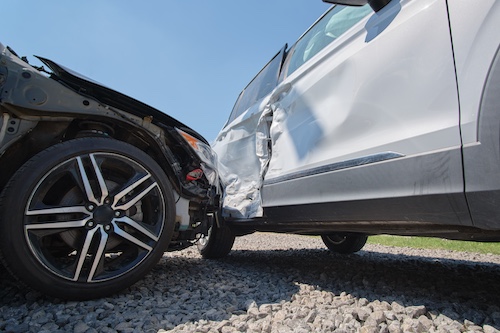
Physical evidence provides clear details about how the collision occurred. Skid marks, vehicle damage, and road conditions help show whether one driver failed to follow traffic laws. Photos of the vehicles involved and the scene can also strengthen a claim by preserving proof before repairs or clean-up erase signs of the crash.
Witness Statements
Independent witness statements often provide clarity when drivers blame each other. Witnesses can confirm if a driver was distracted, ran a red light, or failed to maintain the speed limit. This type of testimony helps establish what actually happened and supports or challenges the accounts of the drivers.
Medical Records and Expenses
Medical documentation links the injuries to the accident. Records of medical treatment, bodily injury, and lost wages help prove that the crash caused specific damages. This evidence not only shows fault but also impacts the value of a personal injury lawsuit or insurance claim.
Insurance Company Investigations
Insurance companies conduct their own reviews after an accident. Insurance adjusters examine the police report, inspect vehicle repairs, and assess statements from the other party. While their role is to establish fault, their goal is also to limit payouts, which makes legal guidance from a car accident attorney important for the injured party.
Common Situations That Affect Car Accident Fault
Certain accident types occur often on Georgia roads, and each carries unique factors that influence how car accident fault is assigned. Understanding these situations can help the injured party and their car accident attorney build a strong case.
Rear-End Collisions
In most rear-end crashes, the driver who strikes the back of another car is considered responsible. Failure to maintain a safe following distance or driving above the speed limit usually causes these accidents. Still, fault can shift if the front driver suddenly stops without warning or if brake lights were not working.
Left-Turn Accidents
When a driver makes a left turn, that driver must yield to oncoming traffic. If a collision happens during the turn, the turning driver is often found at fault. However, the other driver may share responsibility if they were speeding or ran a red light.
Multi-Vehicle Crashes
Crashes involving several vehicles are harder to sort out. Each driver’s actions must be reviewed to determine how much liability they carry. In these cases, witness statements, police reports, and physical evidence such as skid marks or vehicle placement are critical to show how the collision occurred.
Distracted Driving and Speeding
Fault is common in crashes caused by distracted drivers or those who were going too fast for road conditions. Cell phone records, citations for speeding, and testimony from witnesses often help prove fault. These factors are especially important in personal injury lawsuits where negligence must be clearly shown.

Building a Strong Case to Prove Fault
Proving car accident fault requires clear evidence and organized steps. A strong case helps an injured party recover fair compensation through an insurance claim or a personal injury lawsuit.
Gathering Evidence at the Scene
The process starts at the accident scene. Photos of the vehicles involved, skid marks, road conditions, and traffic signals provide critical details. Witness statements and the police report add more proof about what happened and who caused the collision.
Using Medical Records and Documentation
Medical evidence connects the crash to the injuries. Records of medical treatment, bodily injury, and related medical expenses confirm the effect of the accident. Proof of lost wages and future care needs also supports the claim for damages.
Accident Reconstruction and Expert Testimony
In some cases, an expert is needed to explain how the accident occurred. Accident reconstruction specialists can analyze vehicle damage, physical evidence, and traffic data. Their reports help clarify which driver violated traffic laws or acted with negligence.
Legal Representation and Strategy
An experienced car accident attorney can manage the investigation, organize evidence, and challenge the findings of insurance adjusters. Attorneys use the law to protect the rights of the injured party and file a strong claim. If settlement talks fail, the evidence is presented in court to prove liability and recover damages.
Damages You May Recover Once Fault Is Established
Once car accident fault is proven, the injured party can pursue different categories of damages. These damages cover both financial costs and personal losses linked to the collision.
Economic Damages
Economic damages are measurable losses that come with receipts and records. They include medical expenses, vehicle repairs, and other property damage. Lost wages and reduced earning ability are also part of this category. These damages help the injured person recover the money they had to pay or the income they could not earn.
Non-Economic Damages
Non-economic damages address personal harm that does not have a clear price tag. Pain and suffering, emotional distress, and loss of enjoyment of life fall into this category. These damages often depend on the severity of the bodily injury and the impact on daily life.
Impact of Comparative Negligence
Under Georgia law, the amount of compensation depends on how much fault each driver shares. If the injured party is found partially at fault, their damages are reduced by their percentage of blame. A driver who is more than 50 percent at fault cannot recover compensation. This rule makes accurate evidence and a strong legal case essential.
Role of Insurance Companies and Courts
Insurance companies often make the first decision on how much to pay for insurance claims. If their offer is unfair, the injured party can pursue a personal injury lawsuit. In court, a judge or jury reviews the evidence, applies Georgia traffic laws, and decides the final award. Having a car accident attorney ensures that all categories of damages are fully presented.
Why You Need an Experienced Georgia Car Accident Lawyer
An experienced car accident lawyer can make the difference between a weak claim and a strong case. Legal guidance is critical when proving car accident fault and pursuing full compensation.
Dealing With Insurance Companies
Insurance adjusters work to limit payouts for insurance claims. They may dispute vehicle damage, challenge medical expenses, or shift blame to the injured party. A lawyer can counter these tactics, present clear evidence, and push for a fair settlement.
Protecting Your Rights Under Georgia Law
Georgia has strict deadlines for filing claims. Under O.C.G.A. § 9-3-33, an injured person has two years from the date of the accident to file a personal injury lawsuit. A lawyer ensures all filings are on time and that traffic laws, citations issued, and witness statements are used effectively to prove fault.
Building a Strong Legal Case
A lawyer organizes police reports, physical evidence, and expert testimony to establish liability. This preparation creates leverage in settlement talks and strength in court. The injured party benefits from a professional who knows how to build a claim that recovers damages for medical treatment, lost wages, and other losses.
Free Consultation and Support
Most car accident attorneys offer a free consultation to review the case. This meeting allows the injured party to ask questions, understand their options, and plan the next step. Having legal support from the start helps secure evidence and avoid mistakes that can weaken a claim.
Get Help from Atlanta Metro Law Today!
If you were injured in a Georgia car accident, our team at Atlanta Metro Law is ready to stand by your side. An experienced car accident attorney will review your case, explain your options, and fight to hold the other driver accountable.
Contact us at 678-752-4582 for a free case consultation today!